Common investment strategies that work
An investment strategy serves as a guiding framework for investors, assisting them in making informed decisions that align with their financial goals, risk appetite, personal circumstances and long-term capital growth needs.
Investors can utilise a plethora of strategies and investment products to diversify their portfolios and achieve their investment goals.
In this article, we will introduce you to several types of investment strategies that may be suitable for your investment goals and risk appetite.
Value investing
Value investing involves seeking undervalued stocks with strong fundamentals based on the belief that the market will eventually recognise their true value.
Benjamin Graham, the father of this investing philosophy, believed that undervalued companies have the potential to perform well in the long run. As Graham advocated, value investing is not concerned with short-term trends in the market or daily movements of stocks; rather, it is a long-term investment approach.
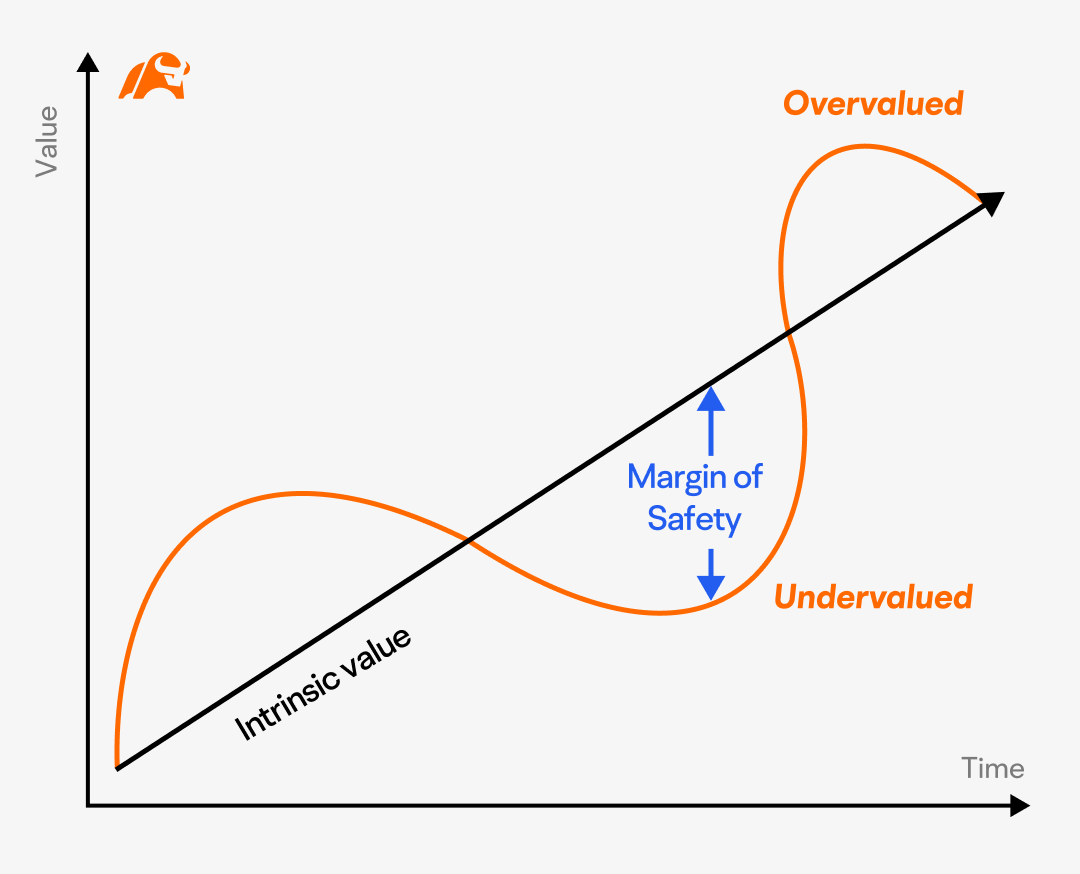
The foundation of value investing lies in the observation that undervalued stocks outperform pricier stocks in the long term. Undervalued stocks are those that are trading lower than their intrinsic or book value, typically with relatively low price-to-earnings (PE) ratios, price-to-book (PB) ratios or other measures of valuation.
Investing in undervalued stocks typically means choosing those that are currently unpopular, which demands strong discipline to overcome the fear of missing out (FOMO) on short-term profits and to succeed in the long-term strategy of smart value investing.
Warren Buffet, a legendary figure often regarded as the quintessential value investor, famously remarked, “Price is what you pay. Value is what you get.” Known for his meticulous research, which can span years, Buffett is strategic with his investments. Once he decides to act, he invest decisively and typically maintains his commitment over the long term.
Growth investing
Growth investing aims to identify and invest in companies with high growth potential, typically characterised by increasing revenues, earnings and market share.
Understanding the life cycle of companies is critical to comprehending growth investing. In the early stages of a new company, business may grow at a substantial pace, generating impressive revenue and profit gains. At this stage in its life cycle, a company typically reinvests profits back into the business to drive further growth, rather than paying them out as dividends.
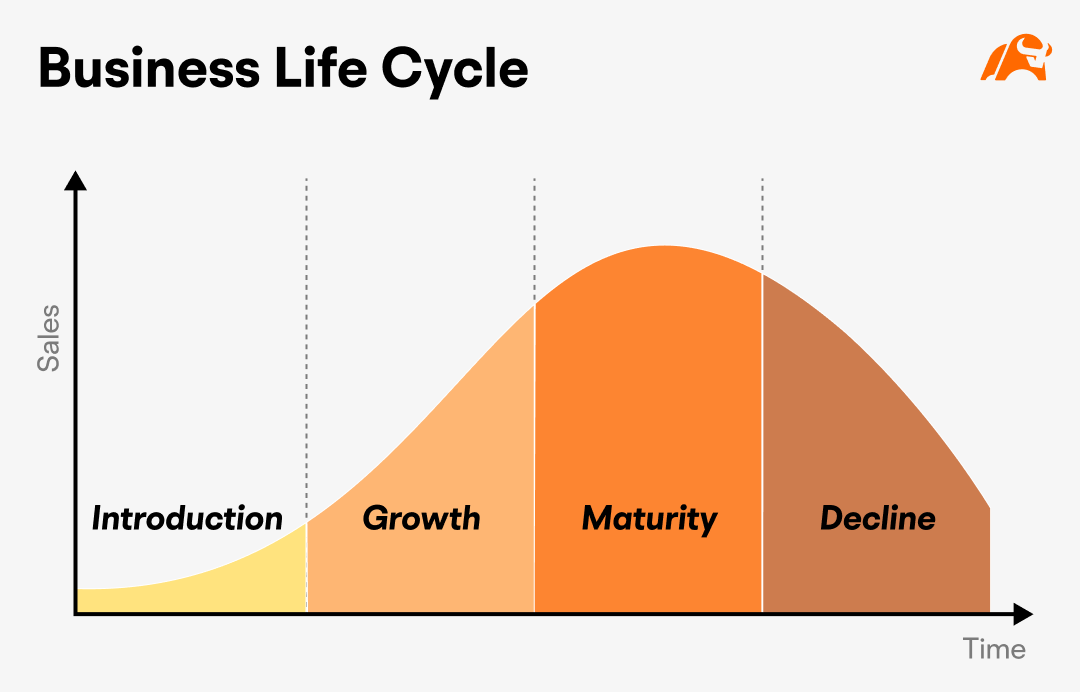
As the company and its markets begin to mature, growth in revenue and profit slows. Once the company is fully mature, growth slows further. At this point in the cycle, many companies begin to distribute profits to investors in the form of dividends as the investment opportunities available in their markets begin to diminish.
Growth investing has a few key traits. The first is that quality growth companies rarely sell cheaply. Another hallmark of growth investing is the broader spectrum of potential outcomes associated with growth stocks compared to value stocks. Success can lead to substantial gains, but setbacks can result in equally significant losses.
Growth stocks have demonstrated significant returns for many years. Amazon in the US is the global poster child for growth investing, with a market capitalisation of over US$1.8 trillion (as of April 2024), an increase of more than ten times over the past decade.
However, even top investments are not immune to the inherent volatility of the growth investing, requiring a mix of patience and optimism.
Income investing
Investments can be divided into income assets and growth assets. Growth assets primarily provide returns in the form of capital growth, while income assets primarily provide returns in the form of income and include fixed interest and cash investments.
Income investing focuses on generating a steady stream of income through dividends, interest or other distributions from investments such as stocks, bonds and real estate investment trusts (REITs).
Income assets tend to provide more stable, albeit lower returns over the long term, making them ideal for investors who prefer lower risk and greater predictability in their investment portfolios.
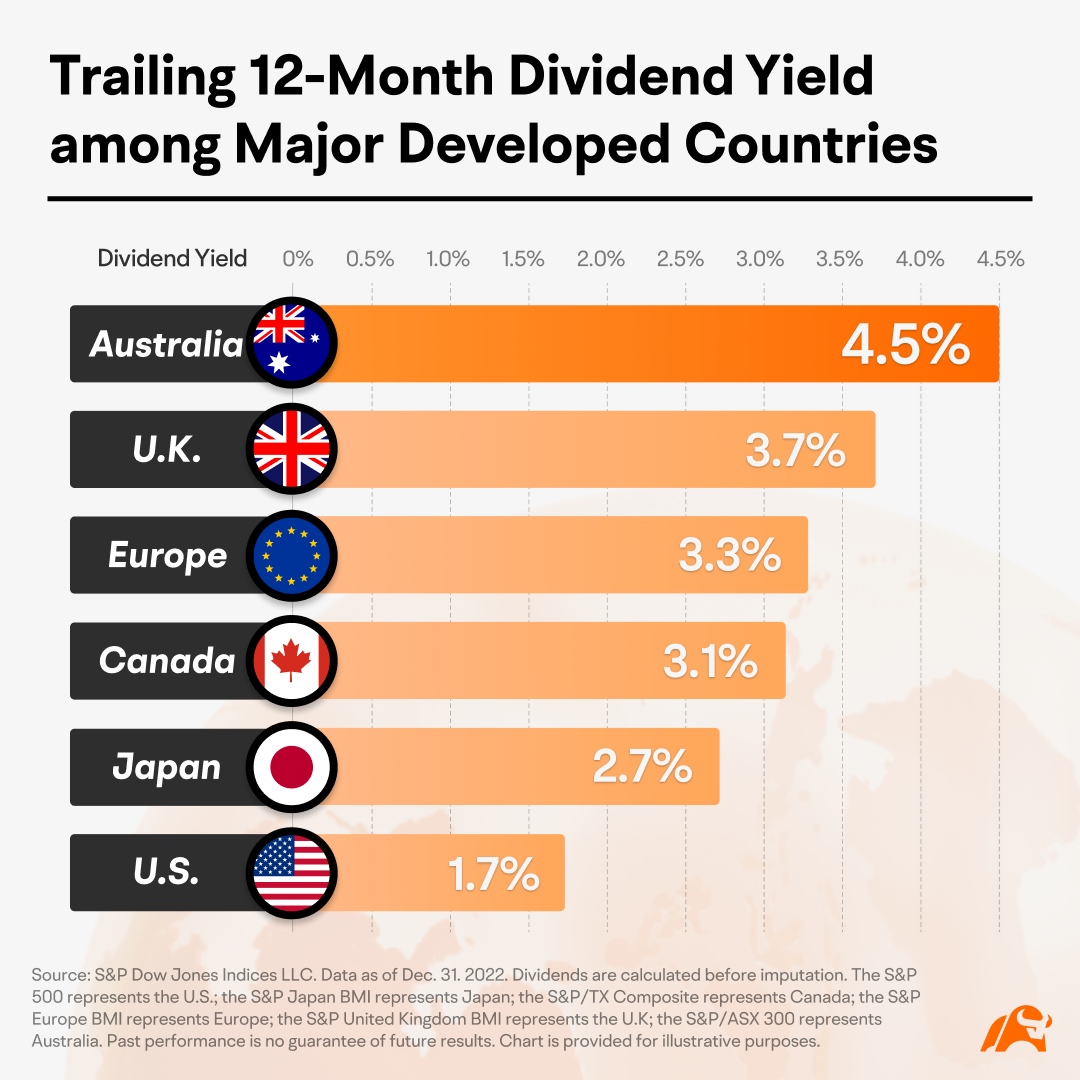
The Australian equity market is renowned for its high dividend yield and well-established dividend culture, offering the highest dividend returns among major developed markets and making income investing more popular.
As Warren Buffett once said, “If you don't find a way to make money while you sleep, you will work until you die.”
Momentum investing
You may have heard one of the following trend-related expressions: “The trend is your friend,” “Don't fight the trend,” or “Don't catch a falling knife.”
Momentum investing, or trend trading, capitalizes on securities’ price trends by buying high-performing assets and short-selling the underperformers.
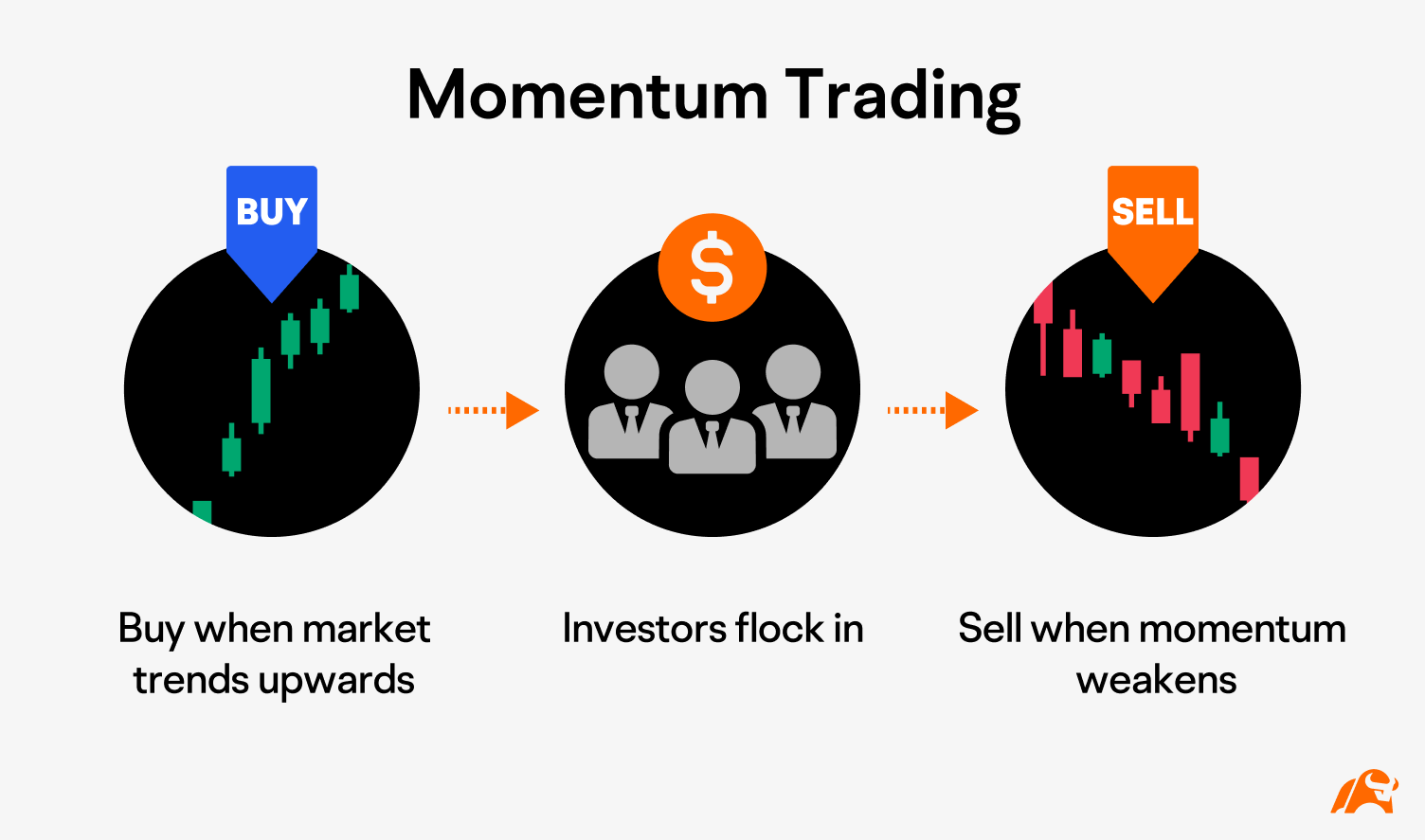
The main rationale behind momentum investing is that once a trend is well-established, it is likely to continue.
Momentum investing is strictly a technical trading strategy that is typically short-term in nature. It usually involves following a strict set of rules based on technical indicators that dictate market entry and exit points for particular securities.
Unlike fundamental or value investors, momentum investors are not concerned with a company’s operational performance. Instead, they apply technical indicators to the analysis of a security to identify trends and gauge the strength of the trend, or in other words, to determine the level of price momentum in the market.
Momentum investors also seek to analyse, understand, and, if possible, anticipate the behaviour of other investors in the market. Awareness of behavioural biases and investor emotions can significantly enhance the effectiveness of a momentum investing strategy.
It’s crucial to grasp risks involved; momentum investing relies solely on current market trends, with no guarantee that these will persist and drive prices up, posing a considerable risk.
Contrarian investing
Contrarian investing involves taking positions that are contrary to prevailing market trends with the expectation that the market will eventually recognise their value.
It is a form of active investing that seeks to outperform the market rather than keep pace with the market’s gains. This medium-to-long-term investment strategy involves conducting research into businesses, industries, and sectors that may be incorrectly valued.
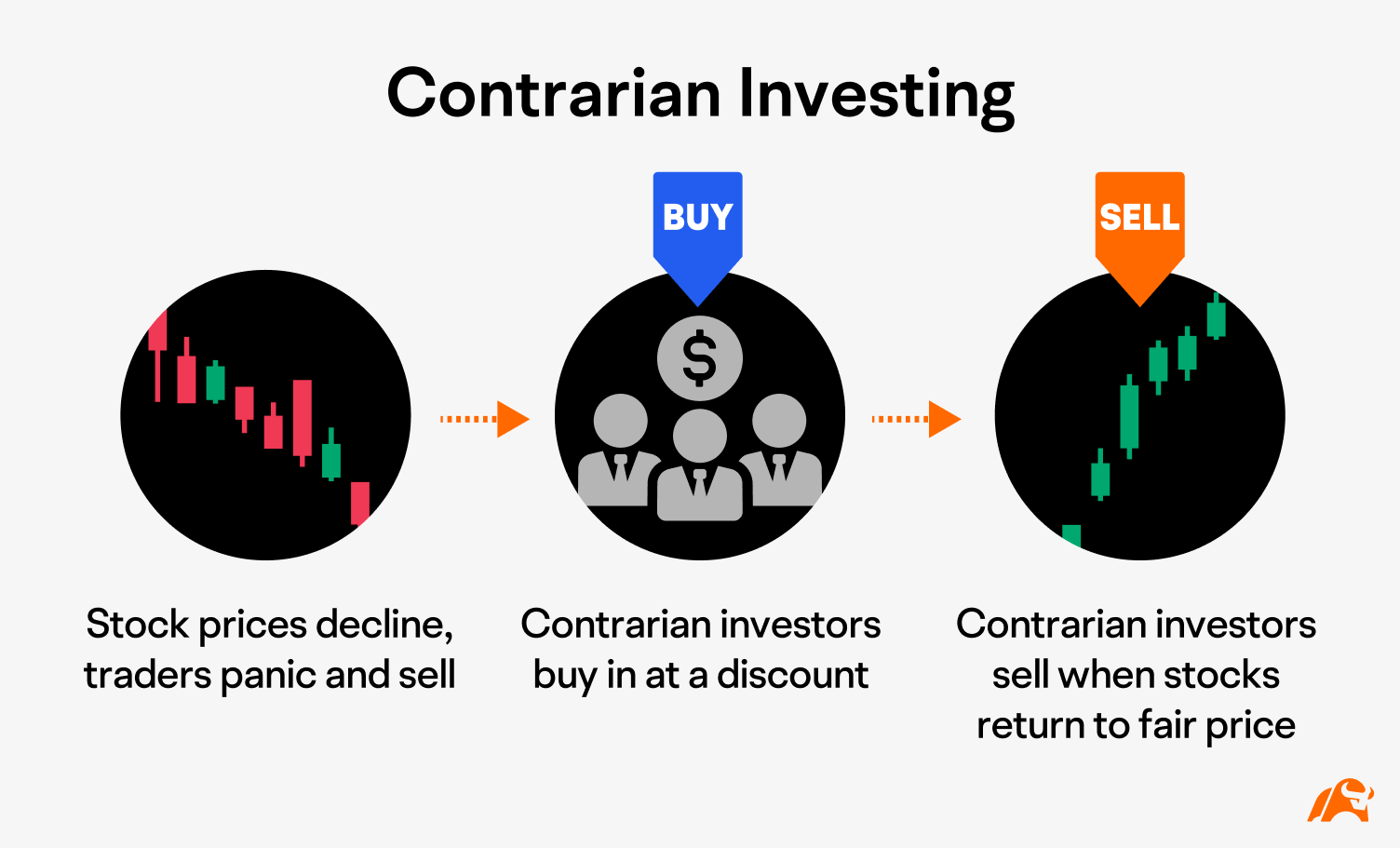
Contrarian investing is similar to value investing in that both approaches seek out opportunities that have been overlooked and mispriced by the majority of investors. However, contrarian investors may also bet on falling prices by shorting a stock, with a longer timeline than short sellers.
Famed contrarian investor Warren Buffett summed up the concept best when he said, “Be fearful when others are greedy, and greedy when others are fearful.”
Contrarian investing is risky and challenging, and therefore not suitable for all investors. Developing a contrarian viewpoint requires a lot of effort and market watching, and it can take a long time before a contrarian portfolio begins to significantly outperform the market. Additionally, buying unpopular stocks means taking on risk, and there is never a guarantee that the market will eventually recognise the worth of an undervalued security.
Dollar-cost averaging
Dollar-cost averaging is a strategy of regularly investing a fixed amount in a particular asset, regardless of its price, to reduce the impact of market volatility on the investment.
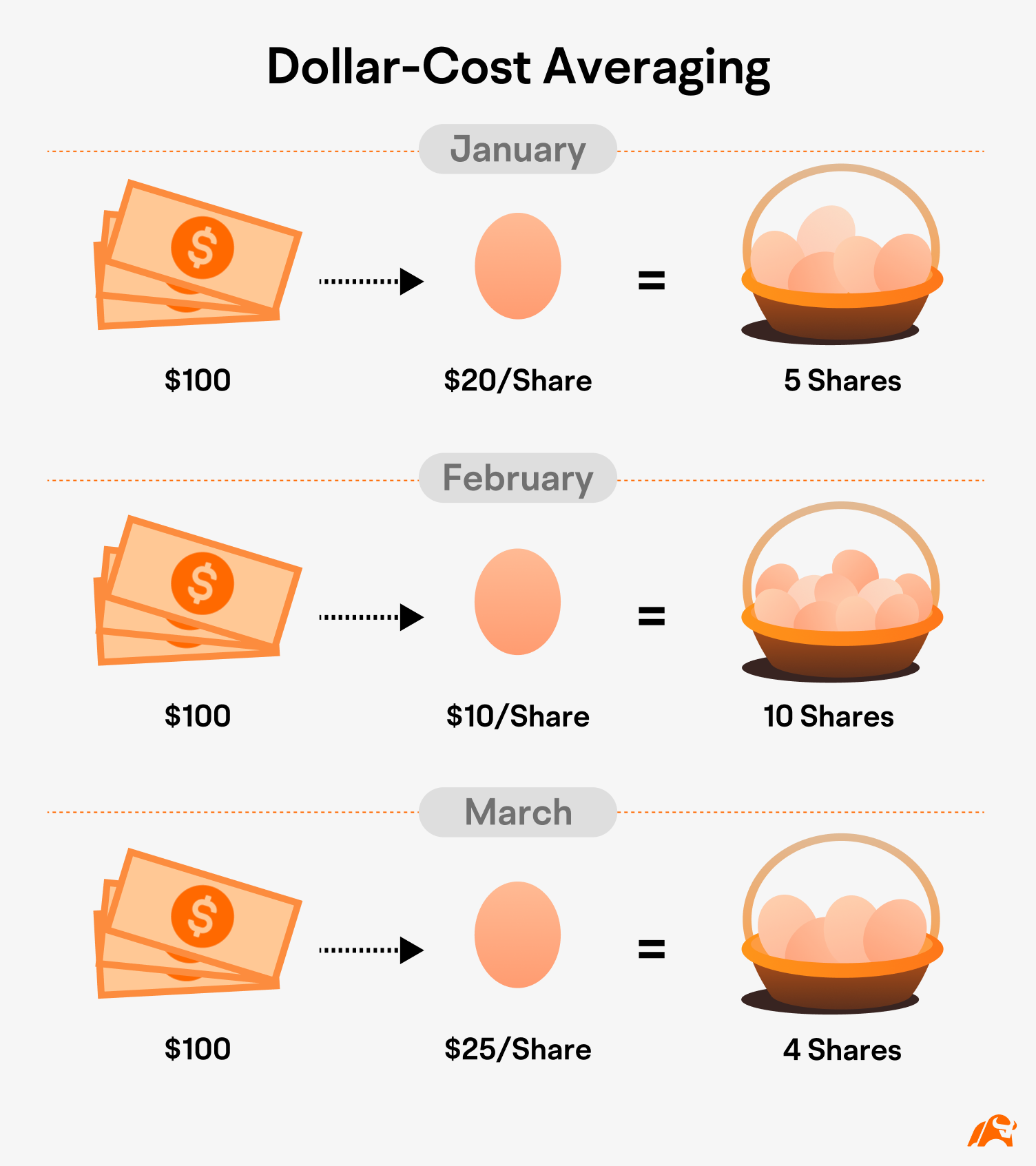
By dividing up your purchase and making multiple buys, you maximise your chances of paying a lower average price over the long-term. In addition, dollar-cost averaging helps you get your money to work on a consistent basis, which is a key factor for long-term investment growth.
Although prices don’t only move in one direction, attempting to time the market and buy assets when their prices appear to be low can be challenging. It’s almost impossible to determine how the market will move over the short term.
Dollar-cost averaging is a wise choice for most investors as it takes the emotion out of investing by having you purchase the same small amount of an asset regularly. This means you buy fewer shares when prices are high and more when prices are low, ensuring that you’re not overpaying for the asset.
Sustainable investing
Sustainable investing involves investing in companies that aim to generate long-term financial returns while advancing sustainable outcomes.
There are various approaches to sustainable investing, with one of the most popular being environmental, social, and governance (ESG) investing.
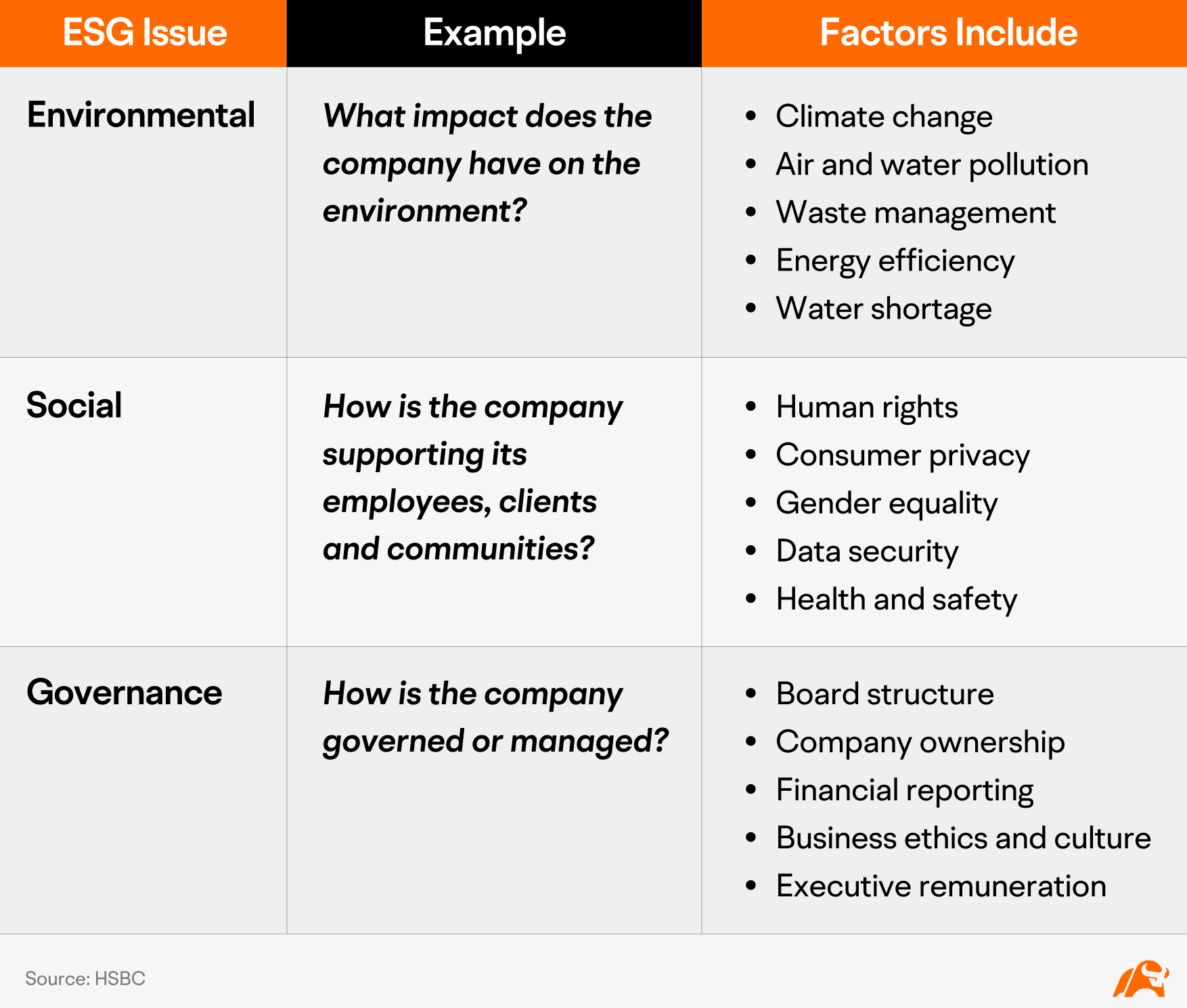
Choosing ESG investing means putting your money to work in companies that strive to make the world a better place. This ethical investing strategy helps people align their investment choices with personal values, making a positive impact while generating returns.
If you’re interested in investing in an ESG strategy, there are multiple ways to identify investments that align with your values. These include conducting do-it-yourself research or investing in ESG ETFs and mutual funds.
This presentation is for informational and educational use only and is not a recommendation or endorsement of any particular investment or investment strategy. Investment information provided in this content is general in nature, strictly for illustrative purposes, and may not be appropriate for all investors. Read more